- Lunch With Norm
- Posts
- [LWN] 🤦♂️ The Invite I’ll Regret Forever
[LWN] 🤦♂️ The Invite I’ll Regret Forever
Lunch With Norm's Weekly Newsletter - Amazon News & Updates
🤦♂️ The Invite I’ll Regret Forever

What you’ll find in this week’s newsletter:
🤦♂️ The Invite I’ll Regret Forever… [True Story]
✅ How to Become a Top Amazon Best Seller
🤝 The US TikTok Deal is Officially Done
⚒️ Stop AI From Sounding Like AI… [Step-By-Step Guide]
🔥 This is Why Most Paid Communities SUCK...
🔥 Hey Beardos, I’ve got another BIG webinar happening Jan 29th.
AEO Secrets: How to Be "The Answer" in the New AI Shopping Era
You'll learn:
How AI shopping is creating a brand new marketplace (and how to be there)
The fundamental shift from "ranking" to "being cited"
How to optimize for ChatGPT, Perplexity, and Amazon Rufus
The BRAIN Framework for AI visibility
And much more…
🤦♂️ The Invite I’ll Regret Forever… [TRUE STORY]
Back in the 1980s, I did some work for The Alan Parsons Project.
They were coming through Toronto, and as part of the deal, they handed me two access passes.
Not just tickets but all access passes.
Here’s where it gets better.
They were touring with Yes, one of the biggest bands of the 70s.
As soon as I heard that, I knew exactly who I had to bring with me.
My graphic designer, Tom.
He was also a drummer and a massive Yes fan.
Especially their drummer, Bill Bruford.

So we head to the concert and it was one of those nights where you don’t want it to end.
After the crowd cleared out, we went backstage.
Just the bands, crew, and a handful of people.
At some point, a couple of the band members said they were heading out for a drink and asked if we wanted to join them.
I was in.
Tom politely declined.
He said he had some work to do.
I’ve learned from my past not to push invites, everyone has their reasons to decline.
It was one of those nights I’ll remember forever.
The next day, Tom was back in the office.
I walked over and said, “Why didn’t you come out with us last night?”
He said, “Ah, I just had a lot of work.”
I looked at him and said, “You passed on drinks with your idol?”
He frowned “What are you talking about?”
I said, “The guy who asked us… That was Bill Bruford.”
I’ll never forget the look on his face.
His mouth literally dropped open.
He had no idea.
I didn’t rub it in but to this day, that night still sticks with me.
Business Lesson
In business, the person offering help, partnership, or advice might not look like the opportunity they are.
If you hesitate too long or overthink it, the moment passes.
Sometimes the best move is simply saying yes, especially when you’re already in the room.
— Norm

👇AMAZON NEWS AND UPDATES👇
🚨 Amazon CEO Jassy says Trump’s tariffs have started to ‘creep’ into prices
🔥 Global supply chains enter era of structural volatility
🛒 Walmart's head of eCommerce named new CEO for Walmart U.S.
🌎 Amazon sellers struggle to absorb costs from Trump tariffs
🤖 ChatGPT's 4% fee confirms marketplace economics
🚀 Canada's federal court reportedly overturns TikTok ban
✅ How to Become a Top Amazon Best Seller: My Lessons From 600+ Seller Interviews
Kelsey Farrar interviewed me for a Startup Club article on the top 10 lessons I learned from hosting 600+ episodes of Lunch With Norm.
Below are 6 (out of 10) of those lessons. Read the full article for the complete list and deeper breakdown. Enjoy.

Lesson 1: Know Your Numbers Like Your Business Depends on It
The best sellers are obsessed with their numbers.
Some sellers best revenue screenshots were actually their worst profit months.
The sellers Norm respected most accounted for everything that quietly chews through profit:
Landed cost (NOT just product cost)
Inbound shipping and prep fees
PPC spend, including the messy bits like branded defense and auto campaigns
Lesson 2: Build Systems
Amazon rewards systems.
Rather than waking up and asking, “What do I feel like working on today?” they had structured rhythms:
Account health and listing status checks every week
Recurring inventory forecasting and purchase-order cycles
SOPs for new product setups, keyword research, and launch strategies
The guests who had made the transition from seven to eight figures always had the same story to tell: until they began documenting, everything was chaotic.
They went from “I just do it myself because it’s faster” to:
SOPs for the creation and updating of listings
SOPs for coordinating with suppliers
SOPs for reconciliations, reimbursements, and fee audits
Lesson 3: Own Your Customer
There were always vendors who were enthusiastic about their “hero product.” One SKU that was going to revolutionize everything. Sometimes it did, at least for a short while.
The most resilient guests asked, “What kind of brand am I building, and how wide can this logically grow?”
Norm’s guests who did this well:
Invested in post-purchase experience: clear instructions, helpful inserts, QR codes pointing to guides or videos
Built communities off Amazon, email lists, social groups, content hubs
Treated every customer as if they were a repeat customer, rather than a one-time sale
Lesson 4: Make the Customer Your Editor-in-Chief
Winning sellers treated reviews and returns as data. Losers treated them as insults.
Winners would:
Read reviews in groups to search for recurring phrases.
Categorize complaints by theme: quality, size, expectations, instructions, packaging.
Ask, “What is the customer actually telling us?”
Lesson 4 : Converting Reviews and Returns into a Product Roadmap
Norm observed smart sellers use negative feedback as free advice:
A product with repeated “smaller than expected” reviews: they added comparison photos, clear dimensions, and a size guide. Returns decreased.
A product with assembly complaints: adding a QR code to a simple video tutorial not only reduced returns but also increased reviews with “easy to put together.”
Lesson 5: Every Seller Pays The “Amazon Tax” (But How Much is Up to You)
At first, in the early days of the Amazon gold rush, these strategies were effective. Many guests confessed that they had employed aggressive giveaway tactics, review groups, and manipulative launch strategies. However, the price tag was eventually due.
Norm began referring to these shortcuts and a whole series of avoidable mistakes as the “Amazon tax.” Either way, everyone pays to learn.
Lesson 6: The $10 / $100 / $1,000 / $10,000 Work Framework
This was one of the most frequently mentioned frameworks that sellers should alwayas distinguish:
$10 tasks:
Repetitive admin
Basic customer messages
Routine listing uploads
$100 tasks:
SOPs and timelines management
Inventory ordering and vendor communication
Project management
$1,000 tasks:
PPC and media specialists
Conversion-driven creative
External traffic setups
$10,000 tasks (owner-level):
Brand vision and positioning
Big partnerships and distribution agreements
Expansion decisions and capital allocation
If Norm’s eight-figure guests found themselves doing $10 or $100 tasks on a consistent basis, they considered it a red flag.
P.S. There was a ton of info I had to cut to keep this email small enough to send, don’t miss out on the last 4 lessons (and the other lessons in more detail)
🤝 The US TikTok Deal is Offically Done…
TikTok just closed a deal to spin off parts of its U.S. operations into a new joint venture with Oracle, Silver Lake, and MGX stepping in as managing investors.
ByteDance, TikTok’s parent company, retains just under a 20% stake, which technically satisfies the U.S. government’s demand for foreign ownership divestment under the 2024 “sell-or-ban” law.
While Oracle and the others will oversee data security, the real money, e-commerce, ads, and marketing stays with ByteDance.
That means the revenue engine remains under Chinese control.
So what changed?
Not much operationally, except now TikTok can say it played ball with U.S. regulators.
The board is mostly American, led by longtime TikTok exec Adam Presser and includes CEO Shou Chew.
Apps like CapCut and Lemon8 are also covered by the new structure.
This deal was a year in the making.
Days after the deal was announced, TikTok users across the U.S. were hit with one of the worst outages in recent memory.
Zero views.
Videos stuck in review.
Log-in failures.
For You Pages reset like new accounts.
Users flooded Reddit and X to report endless repetition of irrelevant content, random influencer clips, old liked videos resurfacing, and a feed that seemed algorithmically broken.
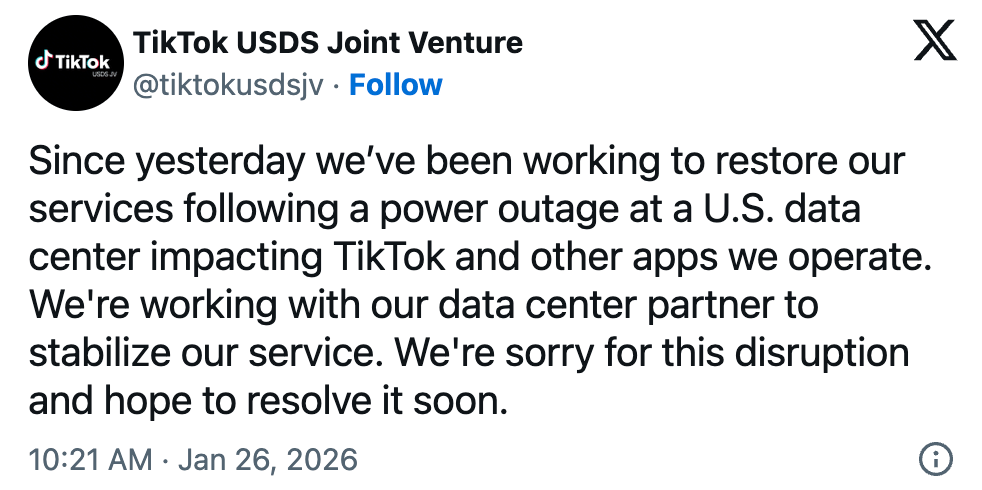
All of this came as TikTok started retraining its recommendation engine using American data, hosted on Oracle’s infrastructure.
🌎 Where in the World is The Beard Guy?
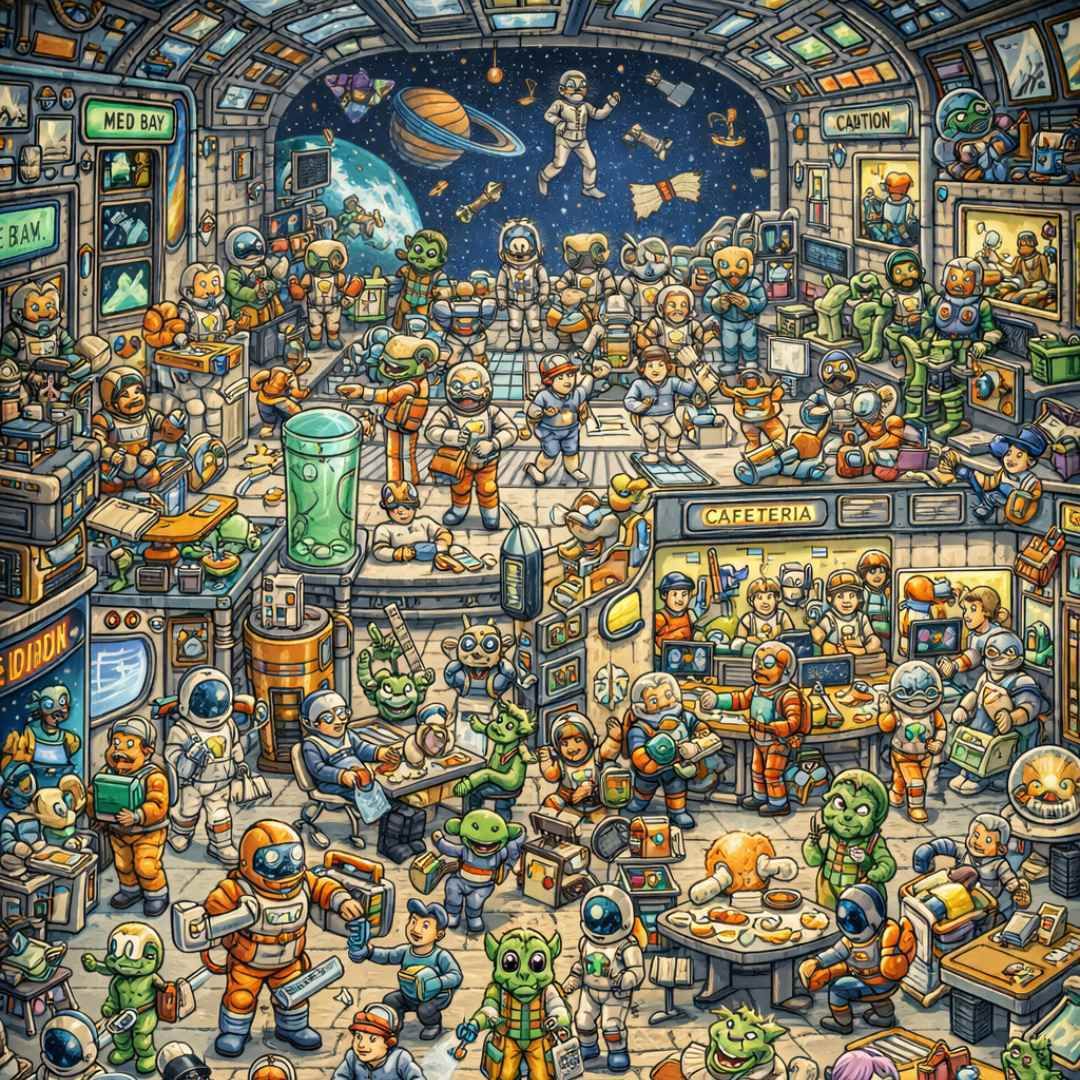
Can you find Norm in the picture below? Scroll to the bottom of this newsletter to see the answer!
⚒️ Stop Your AI Writing From Sounding Like AI
Level: Easy
How We Did It
1. Set the target phrase & the promise to the reader
To get started, head to ChatGPT and put together your first draft.
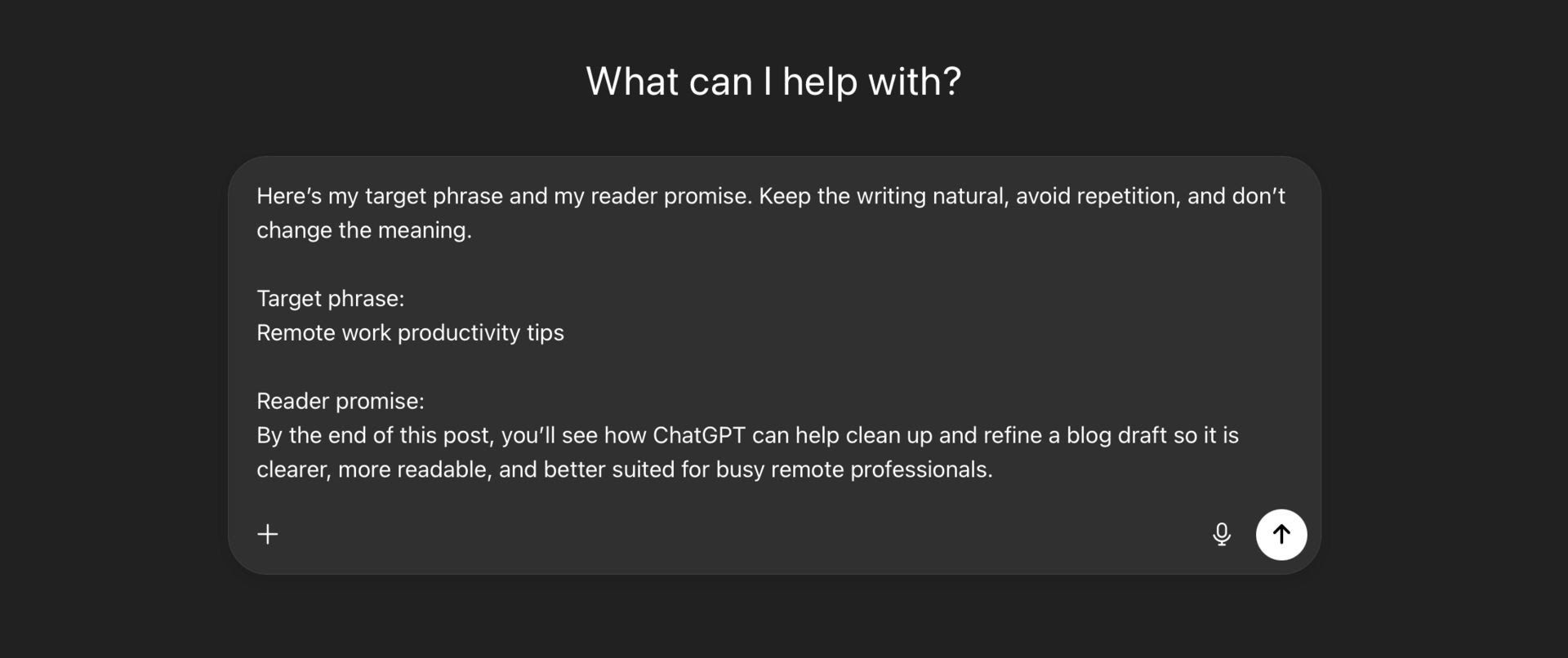
Pick one primary keyword phrase for the post (the one you actually want to show up for), then write a one-sentence “promise” for what the reader will get. Paste both into ChatGPT so it has guardrails.
Prompt:
‘Here’s my target phrase and my reader promise. Keep the writing natural, avoid repetition, and don’t change the meaning.’
2. Work the keyword into one paragraph at a time
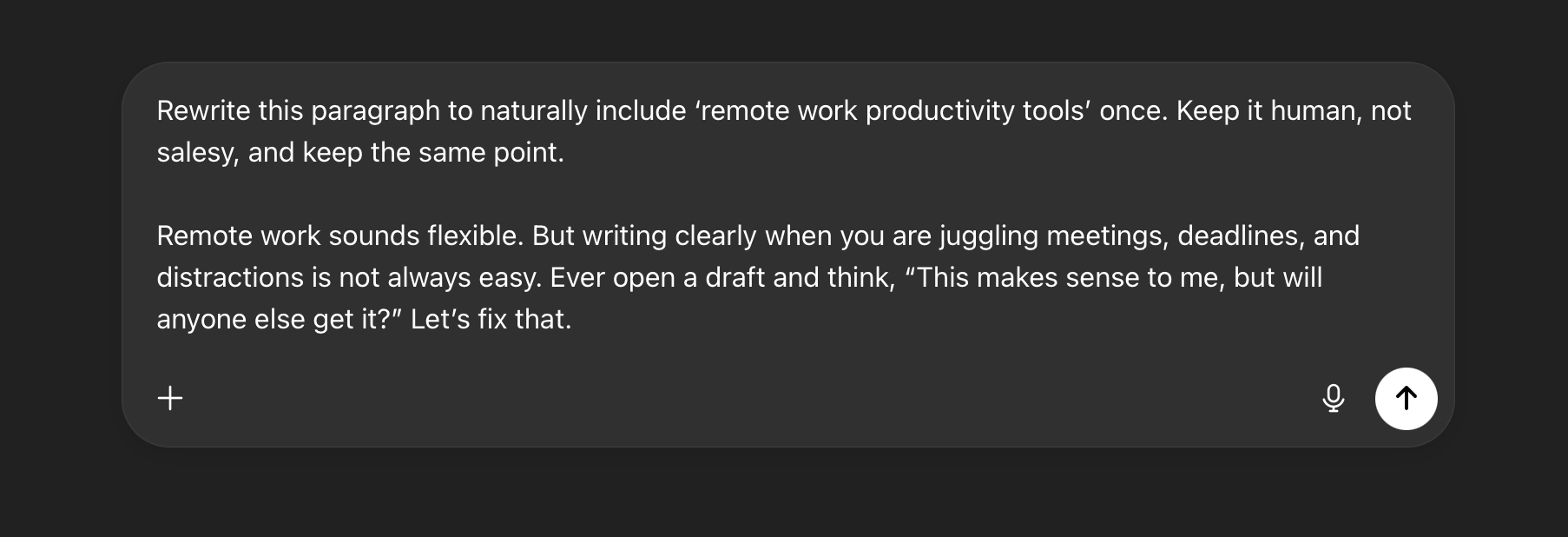
Don’t feed the whole blog post at once. Grab a single paragraph, then ask for a rewrite that includes the phrase once, in a spot that feels earned.
Prompt:
‘Rewrite this paragraph to naturally include ‘remote work productivity tools’ once. Keep it human, not salesy, and keep the same point.’
When it comes back, do a quick “ear test.” If you wouldn’t say it out loud, tweak the sentence yourself or ask:
‘Give me two alternate versions that sound more like a person.’
3. Add supporting phrases without turning it into keyword soup
Once the main phrase is handled, expand coverage with a few related terms that make sense for the topic. Ask for additions that fit the meaning, not random insertions.
Prompt:
‘Suggest 5 related phrases that fit this topic, then revise this paragraph using only 1–2 of them if they truly belong.’
This is where you win extra search reach while keeping the writing clean. It also keeps you from overstuffing, which can hurt readability and trust.
4. Run a readability pass that still sounds like you
Even if the SEO work is done, the copy can still feel dense. Now you simplify, then set the tone.
Prompts to rotate:
‘Rewrite this at a seventh grade reading level while keeping it professional.’
‘Rewrite this for a business audience with a confident, direct tone.’
‘Rewrite this to sound casual and easy to follow, without being cheesy.’
If the rewrite gets too plain, follow up with: ‘Keep the simpler sentences, but add a little personality and smoother transitions.’ This is the step that usually makes AI copy stop sounding like AI copy.

5. Make it easy to skim, then add one helpful extra
Big blocks of text look like work. Ask ChatGPT to break sections into smaller chunks and add “scan points” that guide the eye.
Prompt:
‘Break this section into shorter paragraphs, add bullets where useful, and include one short checklist a reader can use today.’
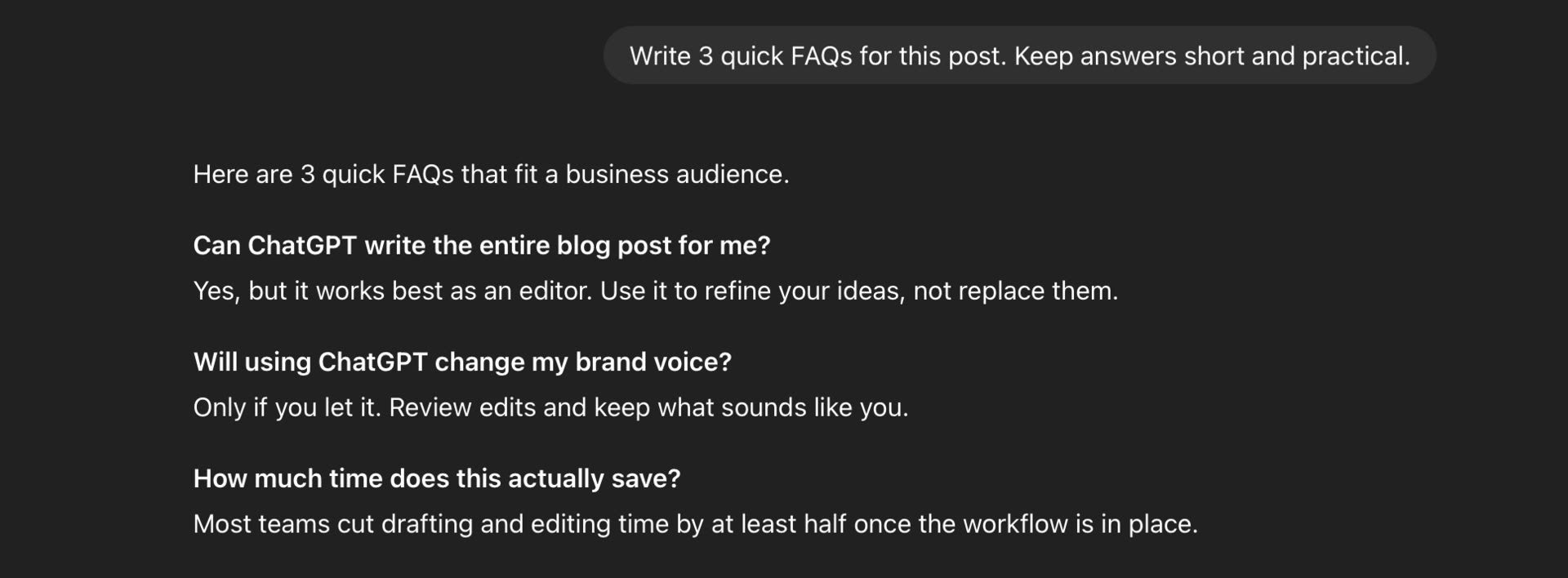
If your post supports it, add a tiny FAQ at the end.
Prompt:
‘Write 3 quick FAQs for this post. Keep answers short and practical.’
This boosts time on page and gives search engines clearer structure, while making the post feel more useful.
If you would like to learn more about AI check out FUTUREPEDIA

🔥 This is Why Most Paid Communities Suck...

Here are my favorite tips from this episode!
1. Attention only becomes valuable when it is converted into trust
Content creates attention, but only consistent credibility, experience, and authenticity convert that attention into long-term monetization leverage. Stop treating content as a traffic channel and start treating it as a trust-building engine that unlocks multiple monetization paths such as subscriptions, communities, and agencies.
2. Communities outperform audiences because they reduce creator dependency risk
A key distinction is that an audience stops when the creator stops publishing, while a community continues to generate interaction without the creator’s presence. The transcript highlights the operational risk of being the only voice driving engagement. Communities create shared ownership of conversation, reducing burnout and scaling limitations.
3. Strong communities are built through vetting
Jordan’s success came from rejecting more applicants than it accepted, ensuring cultural alignment and high contribution standards. Sellers building paid communities should prioritize member quality over member count, because the wrong members degrade trust, engagement, and perceived value faster than slow growth ever will.
🔥 Watch the full episode here
Find this episode of Marketing Misfits on YouTube and anywhere you listen to podcasts
🌎 MARK DOWN THESE EVENTS! 🌎
Feb 10-12 - Dubai - Free
Feb 23-26 - Palm Springs - $499.50
Mar 10-12 - Las Vegas - Starting at $99
April 8 - 12 - Nashville - Starting at $497
April 21 - 23 - Fort Lauderdale - $799
→ FULL CALENDAR ←
And that’s it, Beardos.
See you next Monday!
- Norm

Interested in sponsoring the Lunch With Norm Newsletter? Reply back to this email for more details.
Reply