- Lunch With Norm
- Posts
- [LWN] 🐅 The Night the Tiger Escaped...
[LWN] 🐅 The Night the Tiger Escaped...
Lunch With Norm's Weekly Newsletter - Amazon News & Updates
🐅 The Night the Tiger Escaped...

What you’ll find in this week’s newsletter:
🐅 The Night the Tiger Escaped... [True Story]
🛍️ The BIG Impact of Rufus on Black Friday
🚀 Stream on TikTok Shop Without EVER Going on Camera
🔥 Amazon’s New AI Ad Prompts is Here!
⚒️ Draft a Blog Post in Seconds! [Quick Guide]
🐅 The Night the Tiger Escaped...
[TRUE STORY]
When I was about fifteen, my dad had me spend a summer working at a campground he co-owned near the U.S./Quebec border.
I ran the store, spraying for mosquitoes with a tractor, and hauling trash to a dump that had a few black bears roaming around.
Honestly, the bears never bothered me much they were just looking for food at the dump.
Then one day, we got word that a tiger had escaped from the African Lion Safari a few miles away.
I spent that night in my tent imagining all sorts of wild scenarios.

Was the lion going to get me if I fall asleep?
What if I had to go to the bathroom outside?
Will I hear it stalk me before I’m attacked?
Turns out, the tiger was caught the next day about a mile away.
It never set foot near us, but my imagination had turned that night into a survival story.
In business, we do the same thing.
We lie awake worrying about the "tigers" that never actually show up. Most of those fears are just shadows.
The real lesson?
Don’t let imaginary tigers keep you from moving forward.
Just like that campground summer, the scariest things are often all in your head.
— Norm

👇AMAZON NEWS AND UPDATES👇
🤖 ChatGPT referrals to retailers’ apps increased 28% year-over-year, says report
📈 TikTok Shop crossed $500 million in US sales during the Black Friday Cyber Monday week
🛍️ Black Friday fuels surge in livestream shopping
🛒 Create shoppable videos with new Canva templates and upload in bulk [Amazon Update]
💰 Preview current and future costs with Revenue Calculator [Amazon Feature]
📦 Amazon makes major change to delivery schedule
🎄 Holiday sales to surpass $1 trillion for the first time in 2025
💵 Amazon pays Italy 180 million euros to end tax, labour probe
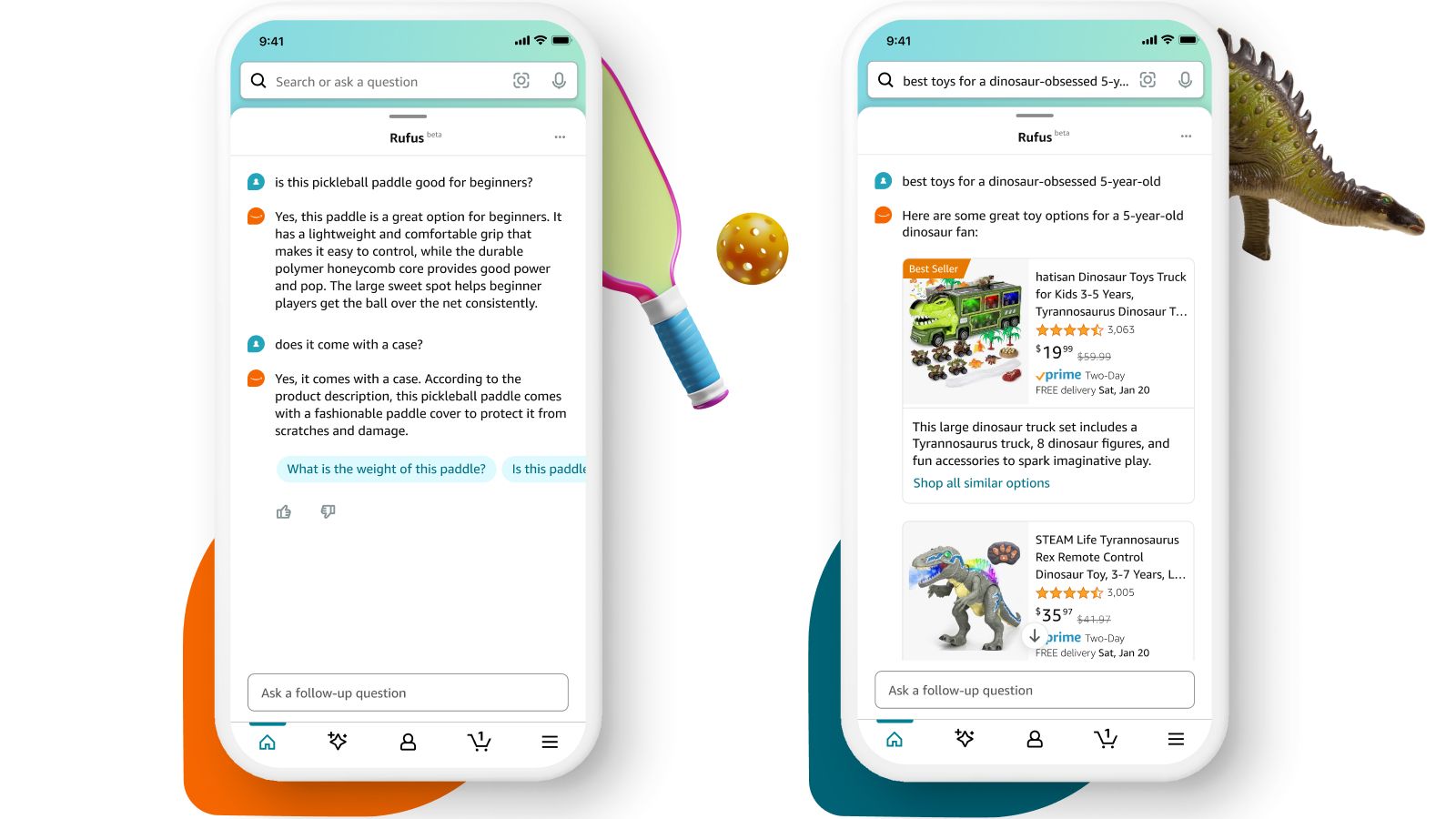
🚀 Amazon’s AI chatbot Rufus drove sales on Black Friday
Amazon’s AI chatbot, Rufus, played a major role in this year’s Black Friday numbers. New data shows that sessions involving Rufus doubled in purchases compared to the average over the past 30 days.
Sessions without Rufus?
Up only 20%.
That’s a 5x difference…
Even day-over-day, sessions that included Rufus saw a 75% increase in conversions from Thanksgiving to Black Friday.
Meanwhile, sessions without it? Just 35%.
People who used Rufus were way more likely to buy.
What Is Rufus Actually Doing?
Rufus is helping customers compare products, answer questions, and get recommendations directly inside the app or site.
On Black Friday, Rufus-driven sessions outpaced Amazon’s total session growth.
Total site traffic grew 20%
Rufus sessions grew 35%
It tells us shoppers are actively choosing to engage with AI while they browse, and it's leading to more checkouts.
This is the Beginnning of an AI Shopping Shift
Adobe Analytics, which tracks over a trillion retail visits reported that AI-driven traffic to U.S. retail sites jumped 805% year-over-year on Black Friday.
That’s 8x growth in one year.
AI is now being used by everyday shoppers to find deals, compare features, and get clarity especially in fast-moving categories like electronics, games, personal care, and kids’ items.
Even better: AI-assisted sessions converted 38% higher than normal traffic.
What Sellers Should Really Take Away from This
Rufus is reading your listing, and it’s using your detail page, A+ content, images, and bullet points to answer questions and compare you to other products.
If your competitor has better content, Rufus might recommend them instead.
This is why optimized listings and A+ content matter.
And the bigger picture?
AI in e‑commerce is a infrastructure you cannot ignore.
Brands that aren’t adapting are going to fall behind fast.
🦾 Stream on TikTok Shop Without EVER Going on Camera
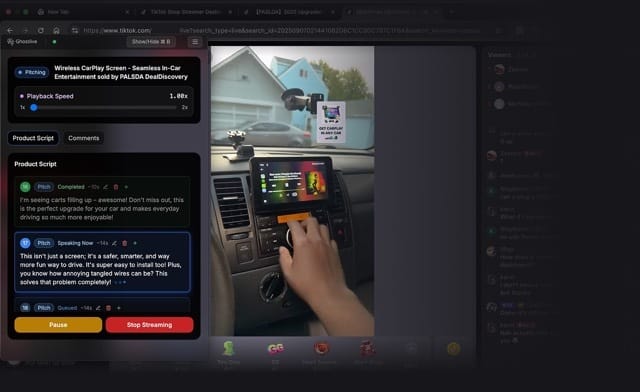
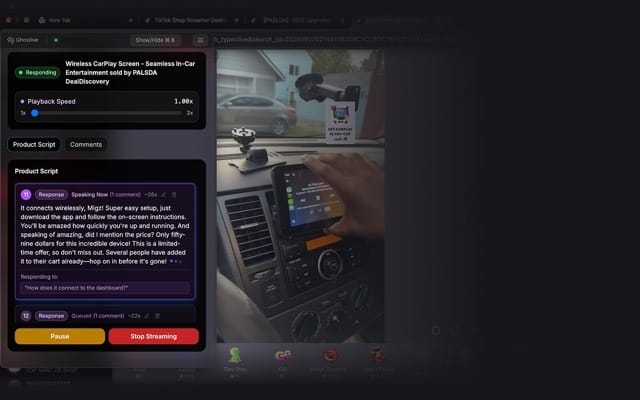
If you’re selling on TikTok Shop and dread live‑streaming because it eats up your time and energy, GhostLive could be a real game changer.
This tool uses AI to manage the livestream, reading what’s on your desktop, responding to chat, and even handling purchase announcements, while you just keep your hands on deck. You stay present, but you don’t need to talk nonstop.
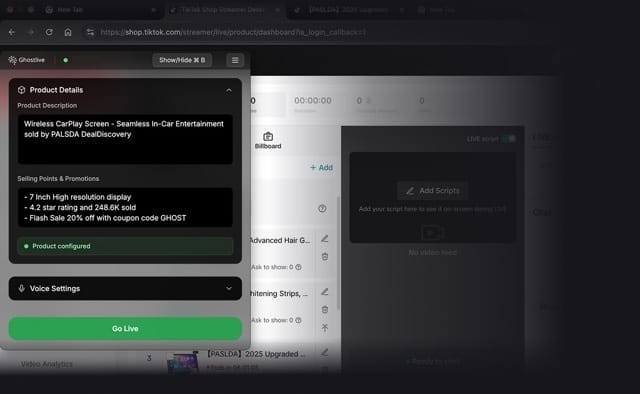
✅ What Does It Do?
You feed it the basics: product title, description, price, key selling points or even your own script.
You link your camera (phone or webcam) and optionally clone your own voice for the AI to speak.
it auto‑generates a livestream that shows your screen, walks through your product, and responds to chat in real time.
You control the tone and energy (flash‑sale urgency, subtle pitch, etc.) and can adjust settings mid‑stream
💡 Why It Matters
No need to shout at the camera for hours.
Great if you hate scripting or don’t want to hire a livestream host.
Works especially well if your audience skews older or less savvy
At current pricing ~$0.08/minute
⚠️ What You Still Have to Do Right
Have real human presence on camera (move, hold the product, etc.)
Use good product selection; AI won’t hide a weak offer.
Keep an eye on comments or odd issues
Don’t expect this to replace real human authenticity in every scenario.
🔥 Amazon’s New AI Ad Prompts
Amazon just rolled out a free beta for Sponsored Products prompts and Sponsored Brands prompts, and it’s worth paying attention to.
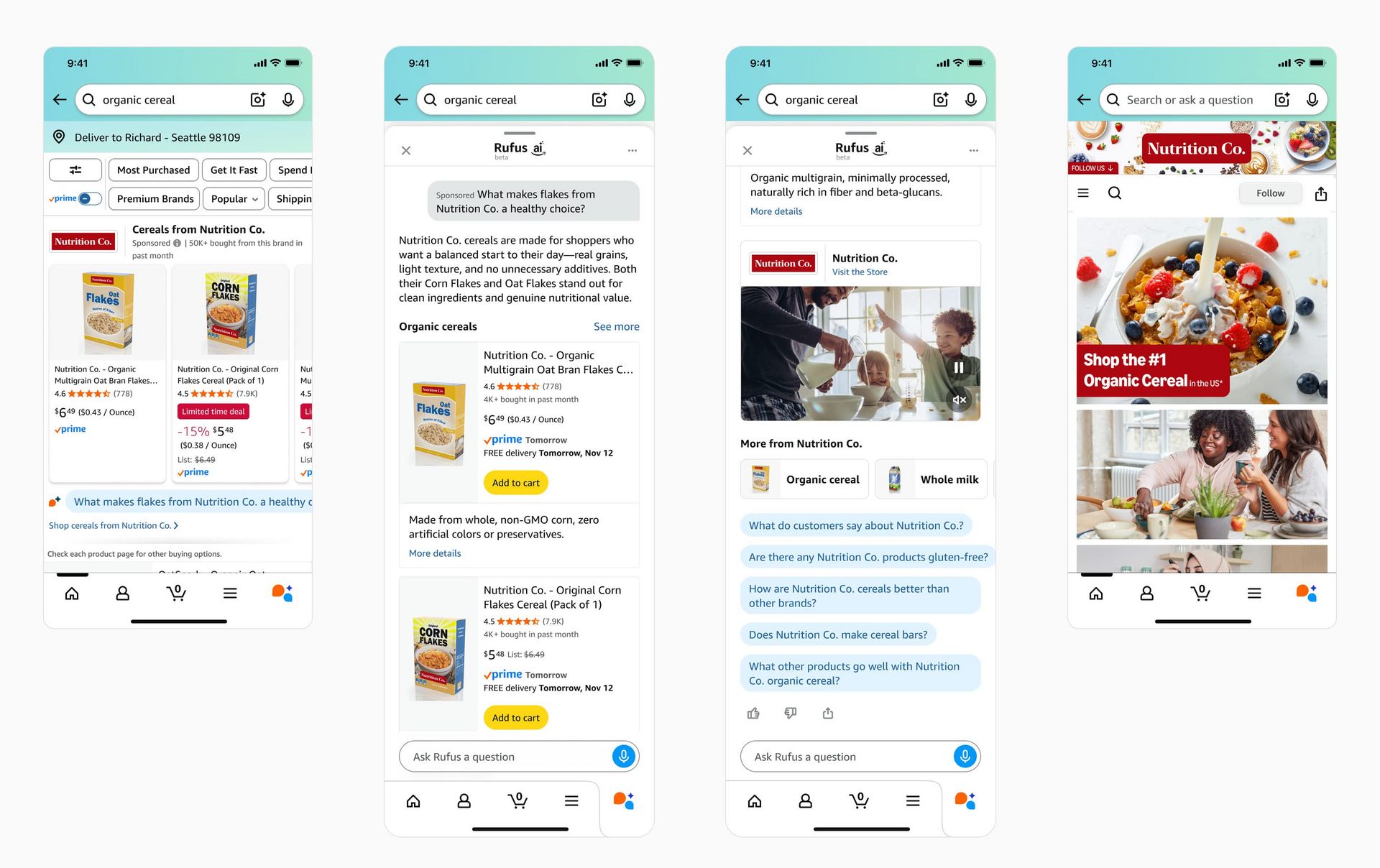
These new ad enhancements use AI to engage shoppers in the moment with relevant product info.

What Is It?
These are interactive, AI-powered prompts that get layered onto your existing Sponsored Products and Sponsored Brands campaigns. They pull from your detail page, Brand Store, campaign data, and more to show up when shoppers are looking for answers, acting almost like a 24/7 product expert.
For example: someone’s shopping for a coffee maker. Instead of digging through bullet points, they get a helpful prompt answering, “Does this have a built-in grinder?” pulled straight from your listing.
Why It Matters
Shoppers don’t always scroll down to find what they need and confusion kills conversions. These prompts help close that gap automatically.
Early data from Amazon shows this kind of interaction helps shoppers make faster, more confident decisions. And because it’s using Amazon’s own first-party data, it stays brand-safe and accurate.
During the beta, this feature is free. Amazon’s essentially giving brands a performance boost with no added cost, at least for now.
How It Works
No setup required. If you're running SP or SB campaigns, you're in.
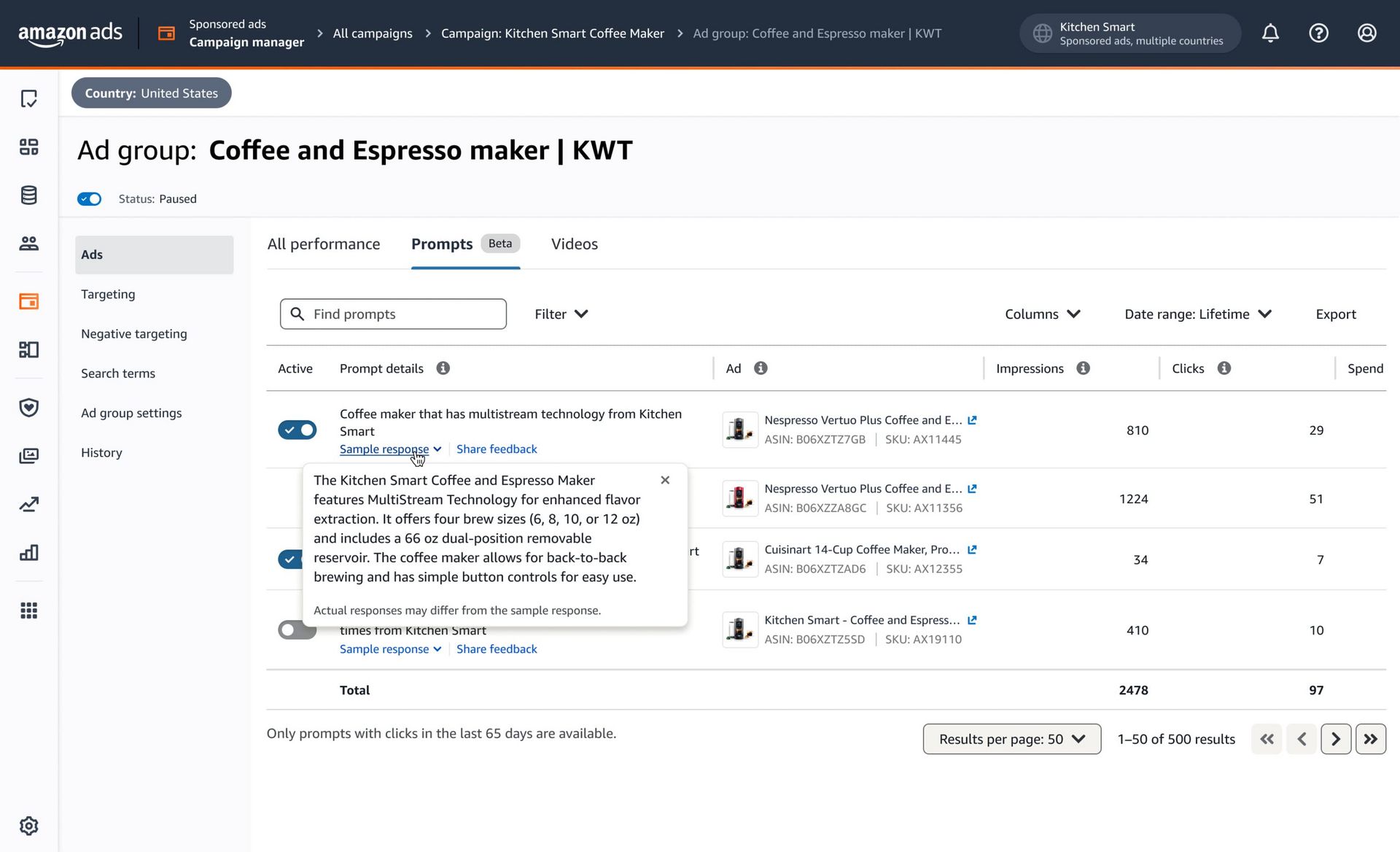
You’ll see a new Prompts tab in Ads Console (Campaign → Ad Group → Ads → Prompts).
You’ll be able to track impressions, clicks, orders — and see exactly which prompts are firing.
Who Can Use It?
Right now it’s U.S. only, and open to sellers and vendors running Sponsored Products and Sponsored Brands (excluding authors/publishers).
By end of November, reporting will be available inside Ads Console, downloadable reports, or API.
🌎 Where in the World is The Beard Guy?

Can you find Norm in the picture below? Scroll to the bottom of this newsletter to see the answer!
⚒️ How to Use Gemini’s Chat to Draft a Business Blog Post
Level: EASY
How We Did It
1. Start with a Clear Prompt
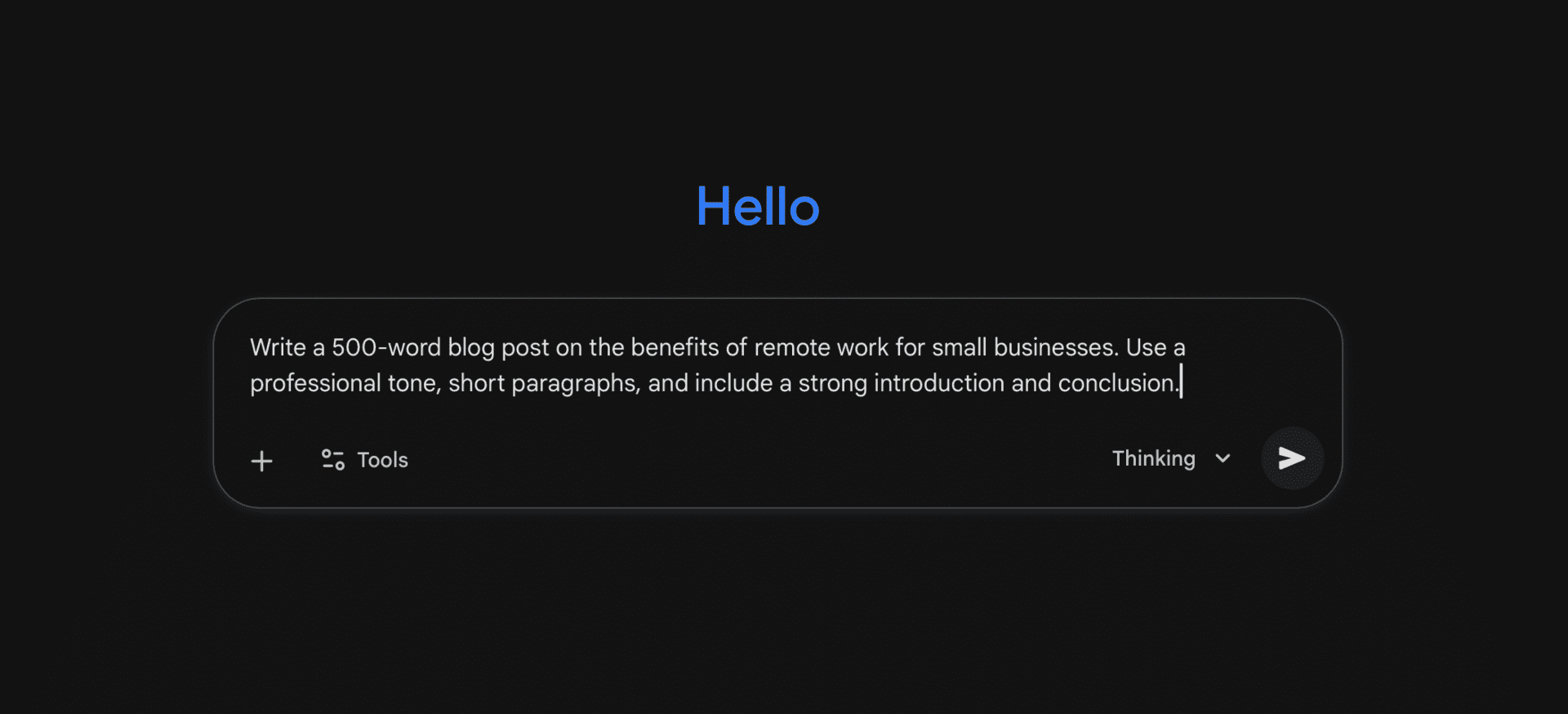
We typed a specific request into the prompt box:
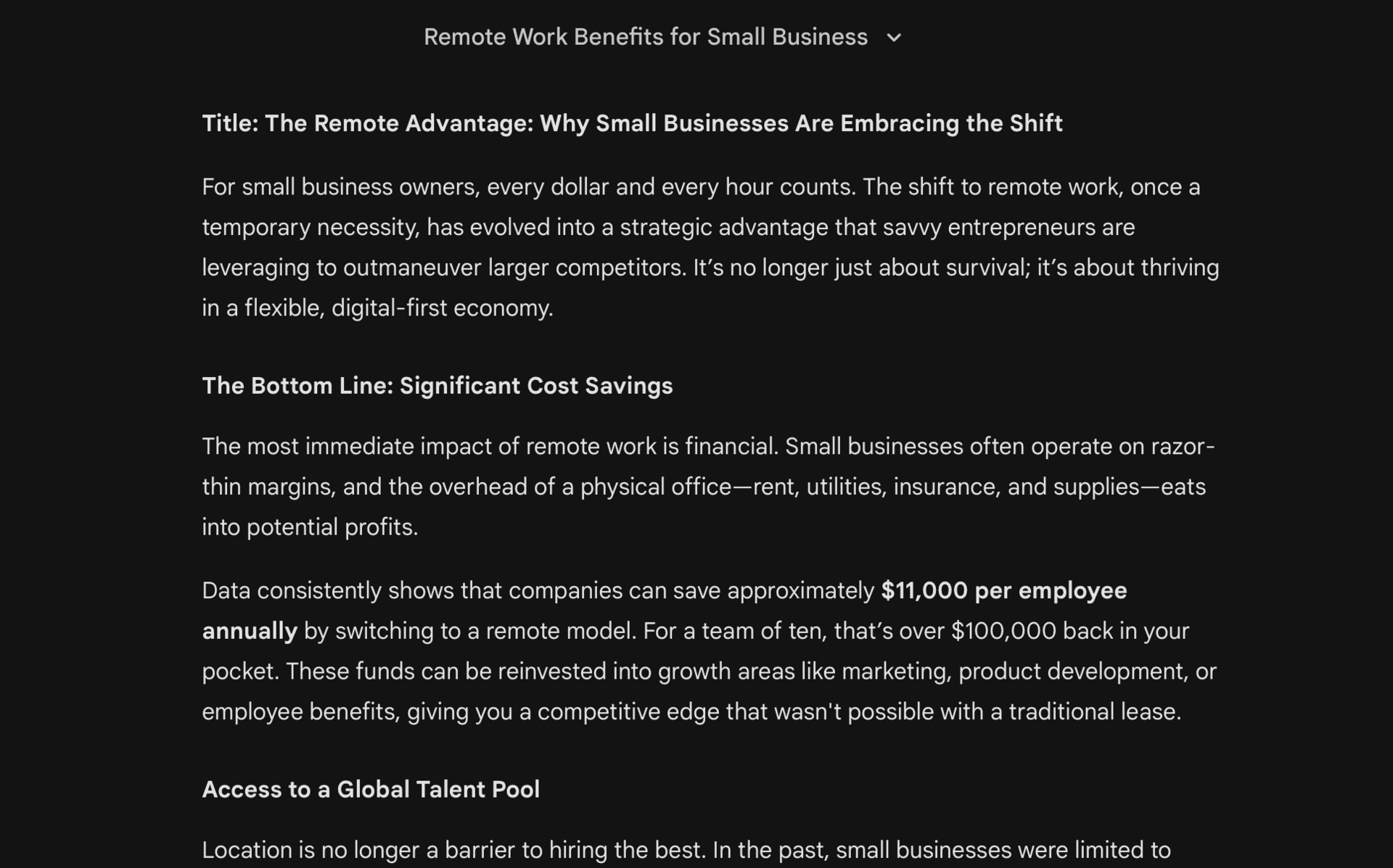
‘Write a 500-word blog post on the benefits of remote work for small businesses. Use a professional tone, short paragraphs, and include a strong introduction and conclusion.’
This clear instruction set expectations for Gemini and reduced the need for major edits later.
2. Review the Initial Output
Gemini responded with a well structured article, complete with a title and logical sections. We scanned it for accuracy, tone, and structure, and made sure it matched our brand. That first review took less than a minute and already replaced an entire draft-writing session.
3. Refine with Follow-Up Prompts
The introduction felt a bit generic, so we replied:
‘Rewrite the introduction to include a statistic about remote work adoption.’
Gemini instantly updated the section and cited a recent study. Instead of manually rewriting, we improved the draft directly in the chat.
4. Request Formatting or Further Edits
We wanted a stronger close, so we asked:
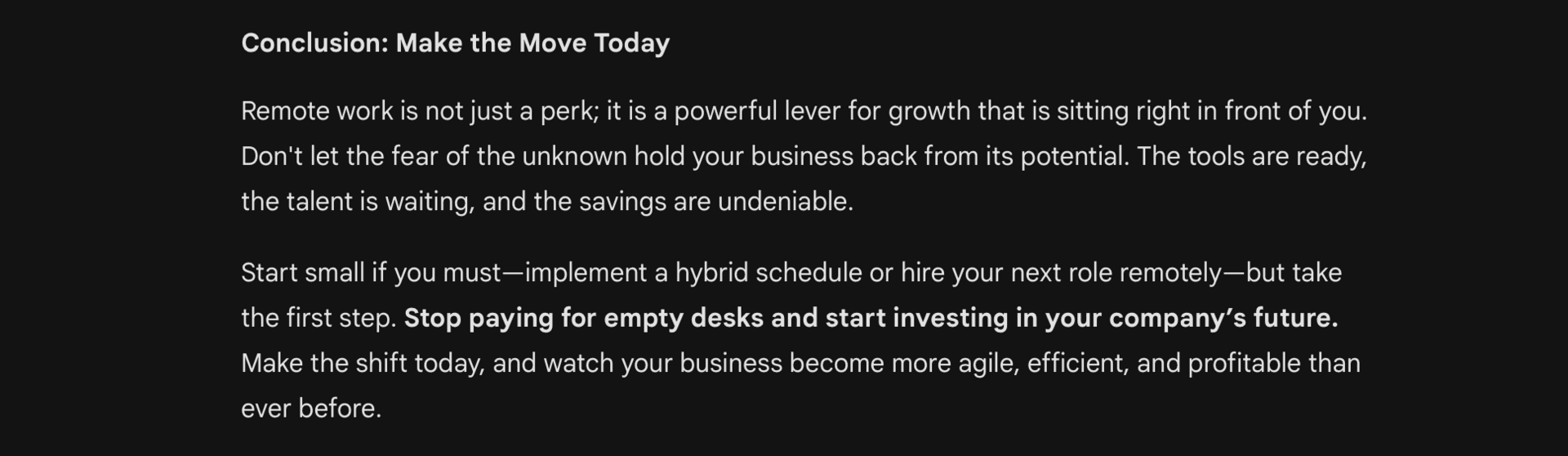
‘Make the conclusion more action-oriented, encouraging readers to try remote work.’
Gemini delivered a clearer, more motivating conclusion that was ready to publish. This back and forth made the final version sharper and more engaging.
5. Switch Models if Needed
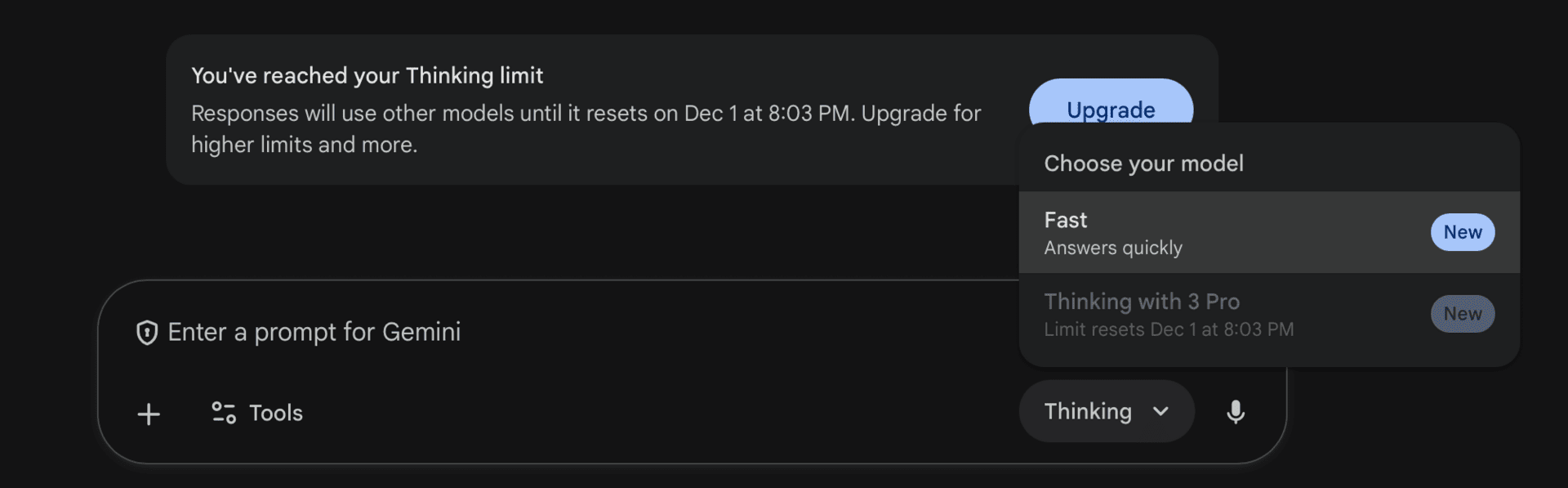
When we hit a usage limit with the Pro model, we switched to the Flash model. This started a new chat, so we pasted our last prompt to keep going. For most smaller tasks, Flash was fast and accurate.
6. Export or Copy the Final Output
Once we were satisfied, copying the text into our website CMS was simple. No extra formatting was needed because Gemini’s output was already clean and ready to use.
This workflow can cut your content creation time in half and help you produce business materials with a lot less friction.
If you would like to learn more about AI check out FUTUREPEDIA

🔥 Every Brand Needs a Podcast in 2025…
[AI-Proof Your Business]

Here are my favorite tips from this episode!
1. Niche-fame beats mainstream fame by a mile
Position the show around a narrow problem or vertical so you become the default voice in that space. Eric says the real win is niche-famous: be the most recognizable name inside your industry.
Niche fame drives:
higher pricing
inbound clients
authority with AI indexing (AEO/LLMO)
more conversion from anything you publish
2. The brands that win will be the ones AI can recognize as authorities
Treat every episode like AI training data. Publish everywhere, embed on your site, and keep your name attached to ideas.
A podcast produces:
transcripts
authority signals
semantic consistency
branded knowledge
3. Full episodes rarely grow a show
Produce volume. Take one episode and create dozens of clips across multiple lengths: 15s, 30s, 60s, 3 min, 7 min.
Full-length podcasts get low discovery.
Short-form drives:
reach
virality
new audience
brand awareness
4. Consistency > perfection, because most of the world will never show up
Set a 12-month commitment before judging results. No optimization before consistency.
Humans quit too early. The people you compare yourself to have years of reps behind them. Most success in podcasting is simply outlasting 99 percent of people.
5. “Be different” is your only option
AI is creating a wave of sameness:
identical videos, identical talking heads, identical scripts, identical short-form formats.
Eric’s entire thesis: you cannot win by doing what everyone else does.
B2B, comedy, podcasting, email, sameness kills response.
Deliberately create contrast by:
format twists
odd thematic hooks
unusual segments
controversial takes
personality-driven delivery
unexpected structure (timers, chapter promises, cliffhangers)
🔥 Watch the full episode here
Find this episode of Marketing Misfits on YouTube and anywhere you listen to podcasts
🌎 MARK DOWN THESE EVENTS! 🌎
Feb 10-12 - Dubai - Free
Feb 23-26 - Palm Springs - $499.50
Mar 9-11 - Las Vegas - $895 (For Non Members)
April 21 - 23 - Fort Lauderdale - $799
Mar 10-12 - Las Vegas - Starting at $99
→ FULL CALENDAR ←
And that’s it, Beardos.
See you next Monday!
- Norm

Interested in sponsoring the Lunch With Norm Newsletter? Reply back to this email for more details.
Reply